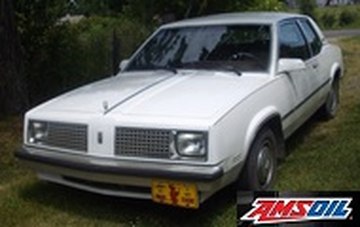
Maintaining Lubrication Integrity for the 1981 Oldsmobile OMEGA 2.5L
Proper engine maintenance is a cornerstone of long-term vehicle health, particularly when managing an engine that has been in operation for several decades. For the 1981 Oldsmobile OMEGA equipped with the 2.5L engine, consistent attention to lubrication and routine inspections can help ensure the mechanical components continue to operate as intended.Monitoring Fluid Condition and Potential Leaks
One of the most effective ways to monitor the health of an engine is through regular visual inspections of the lubrication system. Over time, various seals and gaskets may undergo changes in their physical properties due to heat cycles and age. It is useful to periodically inspect the area around the engine for any signs of fluid seepage or active leakage. When performing these checks, look for wetness or dark staining on the underside of engine components or where they meet the transmission housing. If you notice a change in the amount of oil required between service intervals, it warrants further investigation. It is important to remember that unusual symptoms, such as an odor of burning oil or visible fluid on pavement, can be associated with many different causes; therefore, these signs should be treated as prompts for a more detailed inspection rather than immediate diagnoses of a specific failed component. Beyond the engine itself, checking the condition of various hoses and connections is a prudent practice. If any components appear excessively soft, cracked, or brittle, they may require attention to prevent unexpected failures.Prioritizing Maintenance Based on Current Condition
For an older vehicle like the 1981 Oldsmobile OMEGA, maintenance strategies are often most effective when they are based on the actual current state of the machine rather than just chronological age. If you have a complete history of previous repairs and service, reviewing those records can help establish a baseline for what has already been addressed and what might be approaching the end of its service life. If service history is unavailable, establishing a new maintenance baseline is a practical first step. This involves performing a thorough inspection of all major fluid systems and mechanical connections to determine their current state. Once this baseline is set, you can prioritize tasks by addressing active concerns—such as visible leaks or signs of component wear—before moving on to purely preventive measures. Distinguishing between necessary repairs and unnecessary parts replacement is key to efficient ownership. Rather than replacing components simply because they are old, focus on inspecting aging materials for actual deterioration. This condition-based approach ensures that maintenance efforts are directed where they will provide the most benefit to the 2.5L engine.Observing Changes in Engine Operation
Staying attentive to how the vehicle behaves during operation can provide early indicators that something in the lubrication or cooling system may need attention. While many issues are visible through fluid levels, some manifest as changes in mechanical behavior. If you notice unusual noises coming from the engine compartment, it is advisable to have the vehicle inspected. Similarly, any sudden changes in how the engine responds to throttle input or any new vibrations can be indicators of underlying mechanical shifts. If a warning light or indicator appears on the dashboard, this requires immediate investigation to prevent potential damage. It is also helpful to monitor the appearance of the oil itself during routine checks. While some level of darkening is expected as oil undergoes its service life, significant changes in texture or the presence of unexpected debris can be signs that the lubrication system is not performing optimally. Always treat new or changing symptoms as a reason for professional diagnostic verification.The Role of Clean Lubrication in Engine Longevity
Engine oil performs several vital roles that are essential for the continued operation of the 2.5L engine. Beyond simply reducing friction between moving parts, the lubricant helps to manage heat and carry away contaminants that can accumulate during the combustion process. Maintaining a clean lubrication system is important because it helps prevent the buildup of deposits. Over long periods of time, if oil is not changed according to a regular schedule, it can lose its ability to effectively suspend these particles, potentially leading to the formation of sludge. By adhering to consistent service intervals and using appropriate products, you help ensure that the internal components remain free of heavy buildup, which supports smoother operation and helps manage the thermal environment within the engine.Managing Aging Components and Electrical Connections
As vehicles age, various non-lubrication components also require monitoring. For the 1981 Oldsmobile OMEGA, this includes inspecting electrical connections and wiring for signs of corrosion or fraying. Ensuring that sensors and connectors are clean and securely seated can prevent intermittent electrical issues that might mimic mechanical problems. If the vehicle is equipped with various drive belts, these should be inspected regularly for signs of glazing, cracking, or fraying. While these belts may not be directly related to engine oil, their condition is a vital part of the overall engine compartment maintenance routine. Similarly, inspecting the air filtration system ensures that the engine is receiving clean air, which indirectly supports the longevity of the engine oil by reducing the amount of particulate matter entering the combustion chamber.Practical Guidance for BUYING ENGINE OIL for your 1981 Oldsmobile OMEGA 2.5L
When it is time to replenish your engine's lubrication, the most important step is to ensure that the product you select matches the specific requirements of your vehicle. Because different engines have unique needs regarding fluid thickness and additive packages, you should not rely on general automotive knowledge or assumptions based on the vehicle's age. To make an informed purchase, follow these steps:- Match Application Information: Always refer to the vehicle-specific oil viscosity and application information provided on this webpage. This is the most reliable way to ensure the lubricant is appropriate for your 2.5L engine.
- Verify API Certification: Check the product label to ensure the oil meets current American Petroleum Institute (API) standards for quality and performance.
- Consider Formulation Types: Depending on your specific needs and the condition of your engine, you may choose between conventional, synthetic blend, or full synthetic oils. Some high-mileage formulations also include seal-conditioning additives which may be beneficial for older engines showing signs of seepage.
- Inspect the Label: Before completing your purchase, double-check that the SAE viscosity grade on the bottle matches exactly what is listed in your application documentation.